 Adding item to the basket...




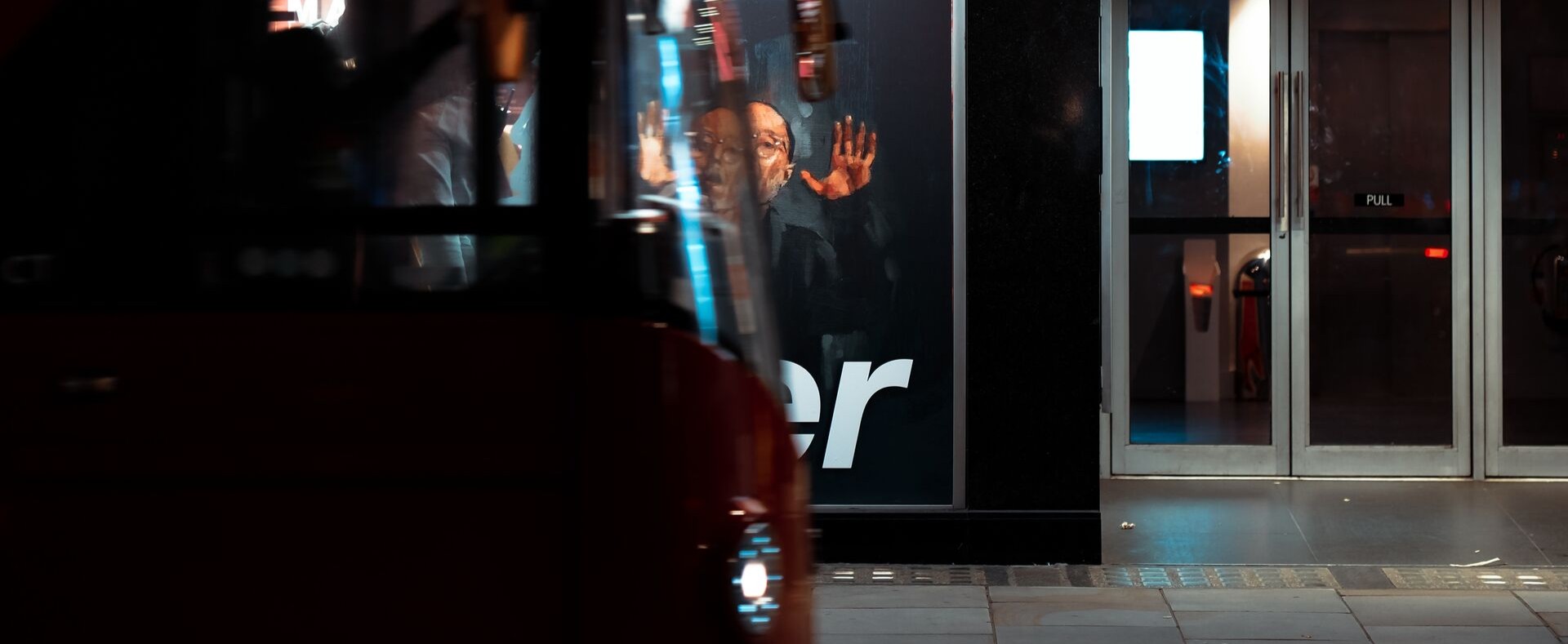


Night photography in London is always an exhilarating ride. As the skies darken, it’s amazing to see how London’s varied cityscapes can transform and the way you utilise your camera and its settings.
If you’re ready to get the best out of your next street photography session, take a look at our guide to night photography, where we cover everything from ideas and inspiration to the best camera settings and night photography equipment.
Top spots for night photography in London
London is brimming with iconic cityscapes and architecture, from the imposing Shard to the hubbub of Picadilly Circus.
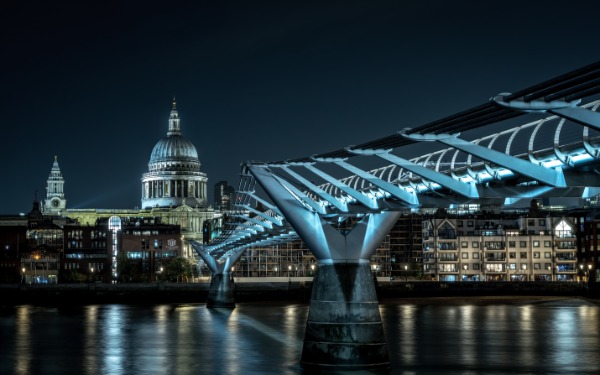
Ride the London Eye to capture new nighttime perspectives, or head for the Embankment to enjoy the interplay of lights and the River Thames. Capture the Houses of Parliament during golden hour, or the dome of St Paul’s outlined against the night sky.
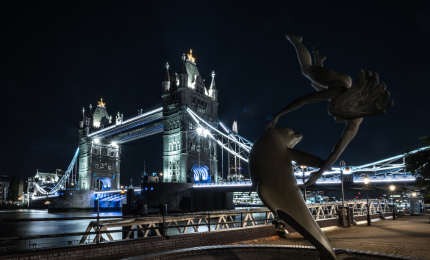
London is full of incredible vistas to engage your lens, from crowds of people gathering in Soho to the awe-inspiring sight of the illuminated Tower Bridge.
The best camera settings for night city photography
Photographing London at night can be challenging and creative. Whether you’re a beginner at night photography or you know your way around the capital with a camera, these tips will help you get the best out of your next nighttime shoot.
-
- ● Know your variables: There are three key factors for night photography: F-stop (the amount of light getting into the camera), shutter speed (for how long) and ISO (light sensitivity). Tweaking just one of these three variables can create a completely different shot, so don’t be afraid to test and experiment.
- ● Widen the aperture: London’s nightscapes can vary in brightness, from the dazzling lights of the West End to moody Thameside views. As a general rule, the darker it gets, the wider the aperture you need. Apertures between f5.6 and f2.8 should cope with most night photography conditions.
- ● Use a slow shutter speed: Your shutter speed needs to balance light intake and image sharpness. Fast speeds won’t cut it, so slow down and use longer exposures to your advantage — think motion blur as you capture London’s iconic red buses. Prefer to keep images sharp? Compensate for long exposures by using a tripod and shutter control cable.
- ● Dial in your ISO: Start with a lower ISO setting and gradually increase it until you achieve the desired exposure. Depending on your lighting conditions, you'll typically need an ISO between 800 and 3200. The FUJIFILM X-T5 has advanced noise reduction so you can push your ISO and still capture clean, crisp shots. If you're using a very slow shutter speed on a tripod, you may be able to use a lower ISO of 100-400 for maximum image quality. Many FUJIFILM cameras also feature in-body image stabilisation (IBIS), which helps you shoot at slower shutter speeds handheld, giving you more flexibility to keep your ISO lower while avoiding camera shake.
- ● Chasing the light: Great night photography in London starts with finding your light. Head for Chinatown for high contrast reds and yellows, or use the light spill from shopfronts in Bond Street. Your available lighting source should help you build your composition. And you can keep shooting without worrying that your light source will change.
- ● Know your variables: There are three key factors for night photography: F-stop (the amount of light getting into the camera), shutter speed (for how long) and ISO (light sensitivity). Tweaking just one of these three variables can create a completely different shot, so don’t be afraid to test and experiment.
Read more on the art of low-light photography.
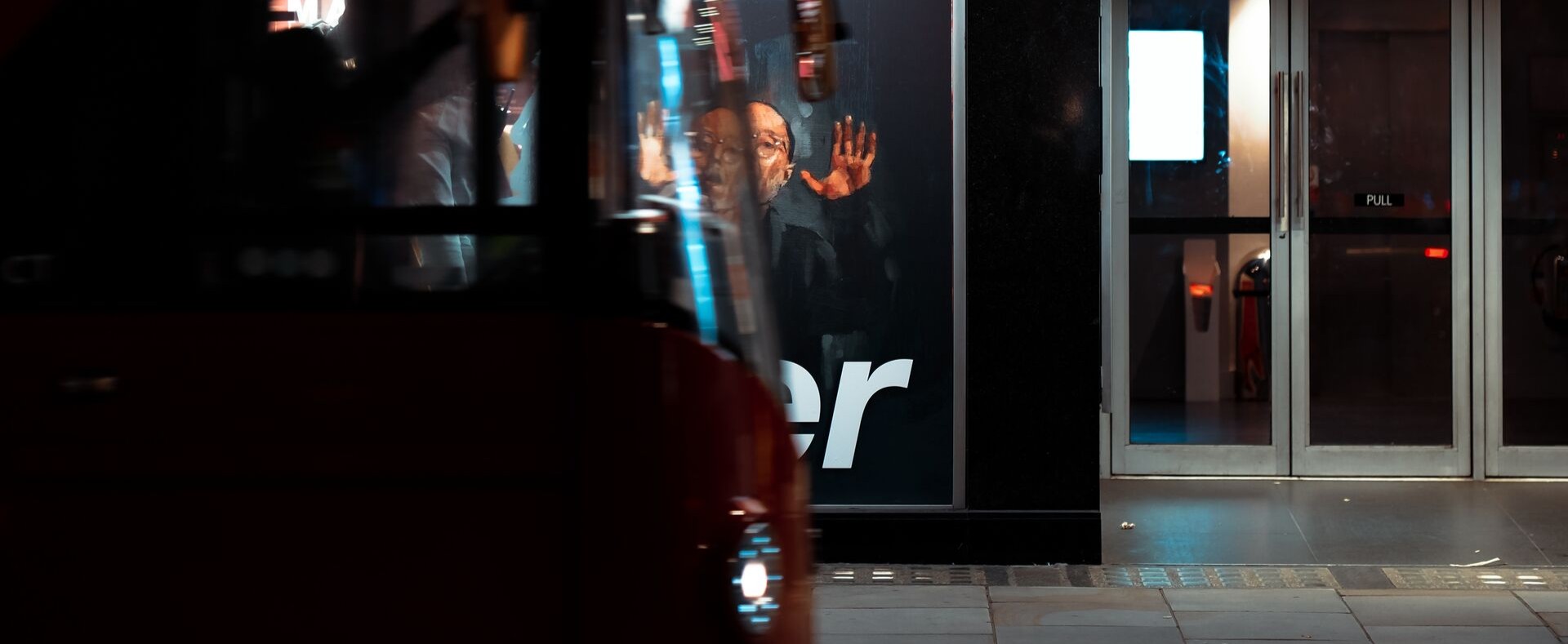
Photo 2025 © Mr. Whisper
What lens should I use for night photography?
Experimenting with different lenses is easy with our FUJIFILM camera and lens loans.
Wide-angle lenses are ideal for capturing sweeping cityscapes and expansive architectural scenes. They allow you to fit more of London's iconic skyline into your frame, making them perfect for shooting from viewpoints like the Tate Modern viewing platform or capturing the full majesty of Tower Bridge. The exaggerated perspective of a wide-angle lens also adds drama and depth to your nighttime compositions.
For X Series shooters, the lightweight, weather-resistant FUJIFILM XF 16-50mm F2.8-4.8 R LM WR is the perfect all-rounder for night photography adventures across the capital. Its versatile focal range means you can capture wide cityscapes and tighter compositions without changing lenses.
For GFX medium format photographers, the FUJIFILM GF23mm F4 R LM WR delivers superwide shots with exceptional detail and dynamic range, ideal for capturing London's grandeur in stunning clarity.
Telephoto and macro lenses offer a different creative approach, allowing you to isolate architectural details and compress perspective for dramatic effect. The FUJIFILM XF 80mm F2.8 R LM OIS WR Macro lets you get up close with intricate details. Think ornate ironwork, sculptural elements, or the textures of weathered stone illuminated by streetlight.
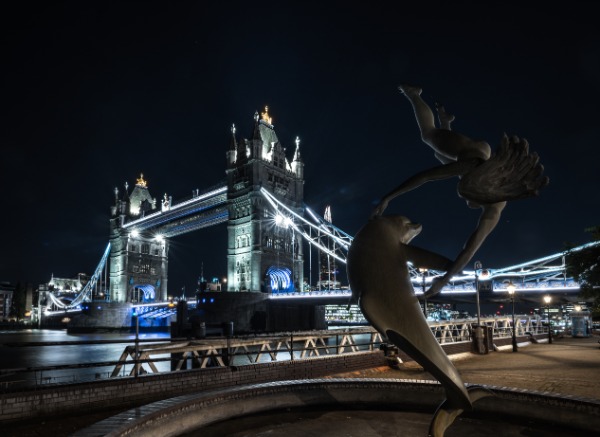
Capturing nighttime London: Inspiration and ideas
With so many iconic buildings and focal points, it’s not difficult to get stunning images of London at night. But if you want to take your compositions to the next level, get inspired with these urban night photography ideas.
-
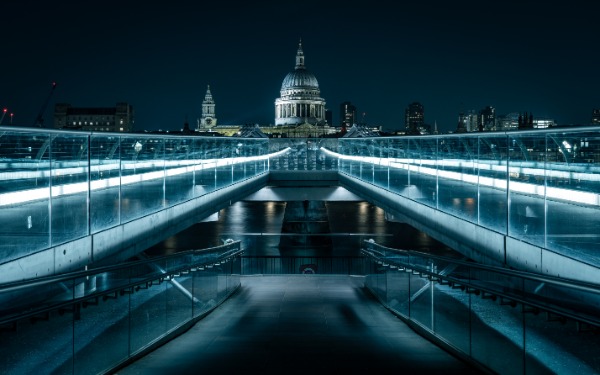
- ● Leading lines. Visual paths through an image will lead the viewer's eyes to the desired focal point. Escalators in the Tube, a striking staircase in a restaurant or a row of streetlights can all lead the viewer’s eye and help create depth in your image. As a starter, try the lights of the Millennium Bridge leading directly to Saint Paul’s.
- ● Explore perspective. Photojournalist Robert Capa once said, “if your pictures aren’t good enough, you’re not close enough”. Switching up your lenses and getting in close to a subject can create impactful abstracts or capture a moment. Shoot wide for bustling street scenes, or look up for new perspectives on familiar scenes and buildings, like the Gherkin.
- ● Capture a mood. Embrace a dark and moody ambience or the melancholy of twilight. The use of shadows and highlights shapes your composition, allowing you to see the familiar in a new and unexpected way. Be inspired by the stylistic influence of Edward Hopper, and shoot scenes through windows to capture the simultaneous isolation and connectivity of city life.
- ● Reflections add interest. Shooting the Thames at night is much more interesting than by day. Nighttime reflections of lights and buildings in the water add depth, animating and elevating your images of structures like the London Eye with bold colour. Wide-angle lenses can help you capture some breathtaking panoramas across the river.
- ● Photograph in the rain. Take advantage of London’s empty streets at night and capture images of puddles and reflections that can elevate your night photography into something mystical and special. Look for reflections in streetlit wet surfaces for exceptional photos — even better with the addition of sculptural shapes like umbrellas or the rich hues of festive lights.
- ● Leading lines. Visual paths through an image will lead the viewer's eyes to the desired focal point. Escalators in the Tube, a striking staircase in a restaurant or a row of streetlights can all lead the viewer’s eye and help create depth in your image. As a starter, try the lights of the Millennium Bridge leading directly to Saint Paul’s.
How a FUJIFILM School workshop can elevate your nighttime images
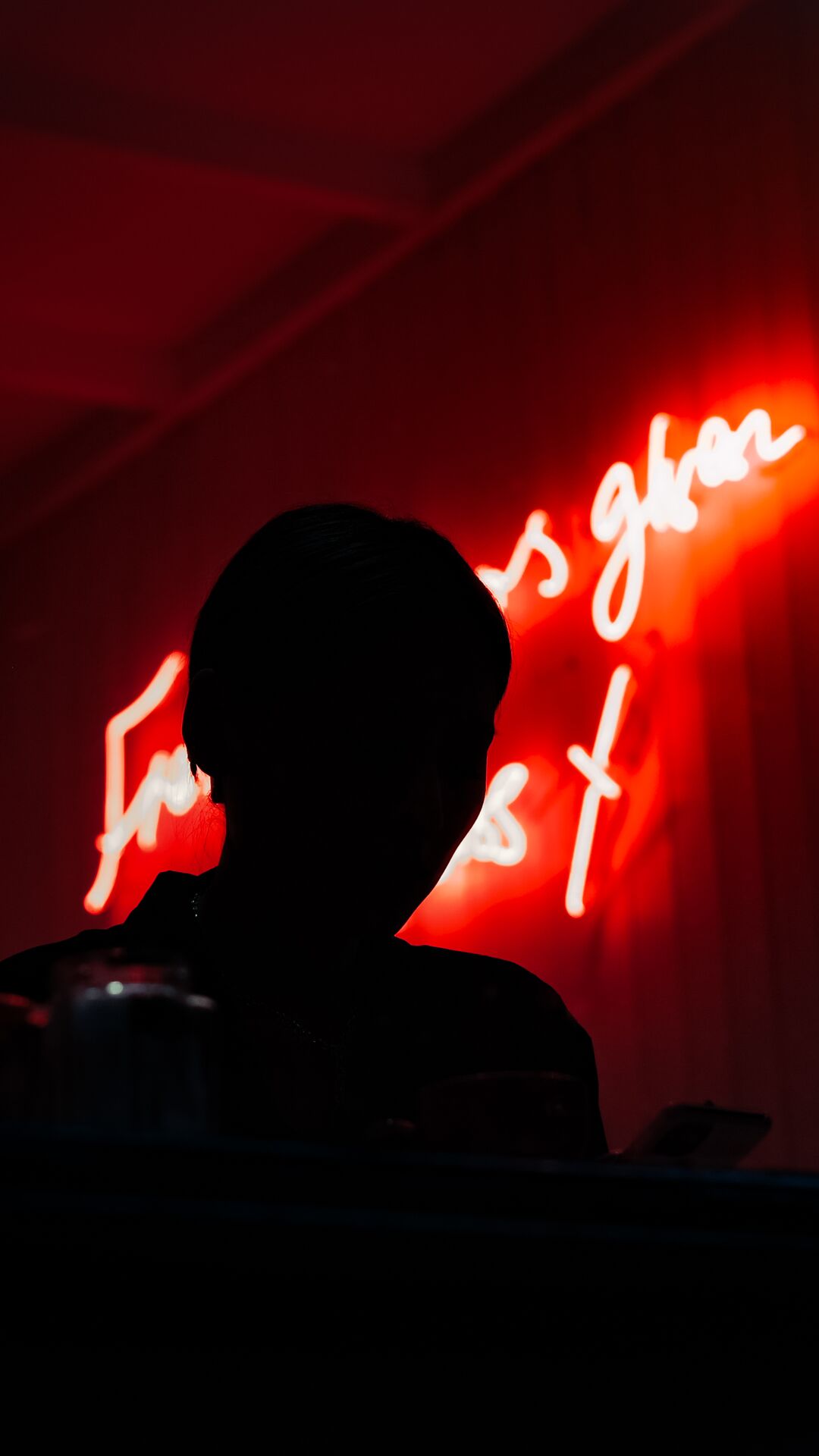
Photo 2025 © Mr. Whisper
Our night photography guide is designed to help you get started with photographing London at night. But if you’re eager to enhance your photography skills, our nighttime photography workshop at the FUJIFILM School will transform your next adventure.
See your city through a new lens with our photography walks, including dedicated nighttime sessions packed with hands-on learning. Or ignite your creativity at one of our professional photography workshops.
Eager to learn more? Visit the FUJIFILM House of Photography in Covent Garden and make your creative vision a reality with the professional guidance of our team by your side.

 +44 (0) 203 486 4610
 8-9 Long Acre, Covent Garden, London, WC2E 9LH
 houseofphotography@fujifilm.com


